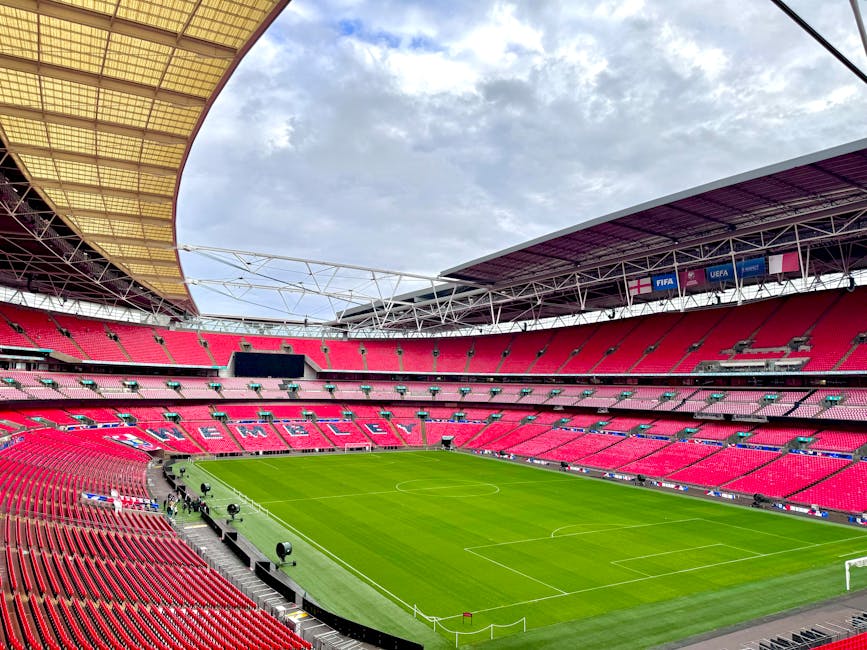
Moving Near Wembley Stadium on Event Days: A Practical Guide to Planning, Access, and Stress-Free Removals
Moving near Wembley Stadium on event days can be straightforward if you plan for the traffic, timing, and access constraints that come with one of London's busiest event areas. The main challenge is rarely the move itself; it is the overlap between your removal schedule and the stadium's crowd movements, road controls, parking pressure, and peak transport demand. If you are relocating a home, flat, office, or shop in the Wembley area, the difference between a smooth day and a frustrating one often comes down to preparation.
This guide explains what changes on event days, how local moves typically work, and how to avoid the most common delays. You will also find a step-by-step planning process, a practical checklist, and guidance on choosing the right moving support. For a broader look at service options, you may also find home moves, house removalists, and man and van services useful when comparing your options.
Quick takeaway: if your moving date overlaps with a match, concert, or special event, book early, build in extra time, and assume access around Wembley Park may be slower than usual. That simple mindset saves a lot of stress.
Table of Contents
- Why Moving Near Wembley Stadium on Event Days Matters
- How Moving Near Wembley Stadium on Event Days Works
- Key Benefits and Practical Advantages
- Who This Is For and When It Makes Sense
- Step-by-Step Guidance
- Expert Tips for Better Results
- Common Mistakes to Avoid
- Tools, Resources and Recommendations
- Law, Compliance, Standards, or Best Practice
- Options, Methods, or Comparison Table
- Case Study or Real-World Example
- Practical Checklist
- Conclusion
- Frequently Asked Questions
Why Moving Near Wembley Stadium on Event Days Matters
Wembley Stadium is not a normal neighbourhood landmark. On event days, the area behaves differently. Roads become busier, kerbside space tightens, and pedestrian flows can change by the hour. A move that would be easy on a quiet Tuesday can become more complicated if it collides with arrival waves, pre-event activity, or post-event departures.
That matters for a few practical reasons. First, removal vehicles need time and space to load or unload safely. Second, if you are moving into or out of a flat with limited parking, any delay can ripple through the whole day. Third, building access may be affected by local restrictions, concierge rules, lift bookings, or temporary road management. None of this is unusual; it is simply part of moving in a high-activity area.
If you are moving a business, the stakes can be even higher. Staff need access, deliveries may be time-sensitive, and customer-facing operations may not tolerate long interruptions. For office and commercial relocations, it is often worth reviewing office relocation services or commercial moves well before the move date so the plan fits the operating reality of the area.
In simple terms: Wembley event days do not make moving impossible. They just reward better planning. The earlier you understand the local pattern, the less likely you are to pay for avoidable delays, missed loading windows, or last-minute changes.
How Moving Near Wembley Stadium on Event Days Works
Moving near the stadium during an event period is usually about timing and coordination. The moving crew may need to arrive before road pressure builds, or wait until a safer window after the crowd flow eases. In some cases, the best approach is to split the move into two phases: a staged packing or collection earlier in the day, followed by final loading once access improves.
Here is the basic pattern you can expect:
- Pre-move planning: confirm the event calendar, the building's access rules, and any parking or loading bay restrictions.
- Timing alignment: choose an arrival time that avoids the busiest crowd movement if possible.
- Vehicle planning: select the right size vehicle for the access conditions. A smaller van can sometimes be easier to manage than a large truck in a tight street.
- Packing readiness: have boxes sealed, furniture protected, and essential items separated so loading can happen quickly.
- On-site execution: keep walking routes clear, brief the movers, and make sure someone is available to answer access or building questions.
One thing people sometimes overlook is the impact of short delays. If a lift is unavailable for ten minutes, or a loading bay is blocked by event traffic, the whole schedule can slip. That is why experienced movers often build breathing room into the plan rather than scheduling everything to the minute. Truth be told, moving days rarely respect a perfect spreadsheet.
If you need packing support, it can help to combine your move with packing and unpacking services so everything is prepared in a more controlled way. And if you need the right vehicle for a narrow or busy route, removal truck hire or moving truck options may be worth comparing depending on how much you are moving and how accessible the property is.
Key Benefits and Practical Advantages
The biggest benefit of thoughtful planning around Wembley event days is control. You reduce uncertainty, which is valuable in a moving situation where there is already enough to manage.
Practical advantages include:
- Less waiting time: a planned schedule reduces the chance of getting stuck behind crowds or blocked routes.
- Safer loading and unloading: fewer hurried movements mean less risk of damage to furniture or walls.
- Better use of labour: movers spend more time moving items and less time waiting for access.
- Lower stress for you: you are not trying to make rushed decisions while the street is filling up.
- Fewer building issues: if the property manager knows your exact timing, they can often help smooth things out.
There is also a subtle benefit that is easy to miss: event days can actually help if your move is planned for an early or late off-peak window. Some people assume the entire day is impossible, but that is not always true. The real challenge is matching your move to the specific traffic pattern, not just the date.
For smaller moves, flexibility is often the winning factor. A local man with van setup can be ideal when access is tight and you need a more agile approach than a full-size removals vehicle. For bulkier household jobs, a fuller service like home moves may give you a better balance of capacity and support.
Who This Is For and When It Makes Sense
This topic matters most if your move is anywhere near the stadium ring roads, surrounding residential streets, or the busier parts of Wembley Park and Brent. But the need is broader than that. Any move that depends on timed access, curbside loading, or predictable vehicle movement can be affected on event days.
It is especially relevant for:
- People moving into or out of flats near Wembley Park
- Families relocating from homes with limited parking
- Landlords coordinating tenant changeovers
- Office managers planning a business relocation
- Retailers or operators receiving bulky equipment
- Anyone booking a removal during a concert, match, or large stadium event
It also makes sense if you are moving something single-item or time-sensitive, such as a large sofa, desk, or appliance. In those cases, a smaller and more flexible service such as furniture pick up can be practical, especially if you do not need a full-scale house move.
If you are unsure whether your move is small, medium, or complex, ask yourself a simple question: how much depends on smooth roadside access? If the answer is "quite a lot," then event-day planning should be part of the conversation from the start.
Step-by-Step Guidance
Good moves near Wembley are rarely improvised. They are usually the result of small decisions made early.
1. Check the event calendar before you book
Start by checking whether a football match, concert, or major event overlaps with your proposed move date. Even if the event is not directly on your road, the surrounding traffic and pedestrian pressure may still matter. This is one of the easiest things to check, and one of the most useful.
2. Speak to the building, landlord, or concierge
Confirm access hours, lift booking rules, parking arrangements, and any restrictions on move-in or move-out times. Some buildings are very specific about where vehicles can stop and how long they can stay. A five-minute call can prevent a five-hour headache.
3. Decide on the right moving method
Match the service to the move. A full household relocation may need more support, while a smaller flat move or partial load might suit a smaller van. If you are weighing up the best fit, compare house removalists with man and van options based on access, volume, and time pressure.
4. Pack for speed and control
Clearly label boxes, protect fragile items, and keep essential items separate. If the move day becomes compressed because of traffic, you want everything ready to go without last-minute sorting. For larger moves, using packing and unpacking services can remove a lot of friction.
5. Build in buffer time
Do not schedule your move as if the streets are empty and everything will happen on cue. That is rarely how Wembley behaves on event days. Add a cushion before and after loading, especially if you are moving during peak arrival or departure windows.
6. Prepare the property and the route
Clear hallways, reserve lifts if needed, and make sure parking instructions are visible. If the vehicle must be close to the entrance, plan the route in advance so no one is improvising on the day.
7. Keep communication simple and direct
Tell the movers about entry codes, restricted access points, one-way routes, and any building-specific requirements. The more precise the information, the less room there is for confusion.
For some local jobs, especially those involving mixed access conditions, a smaller vehicle can be a smart compromise. If that is your situation, look at man with van as a flexible option. For larger or heavier loads, a dedicated moving truck may still be the better choice if loading can be done safely and legally.
Expert Tips for Better Results
Experienced movers tend to focus on practical details that are easy to miss when you are busy with the bigger picture.
- Move early or late when possible: the middle of the day often overlaps with the most intense local movement.
- Use the smallest suitable vehicle: in tight areas, smaller can be smarter. It is not glamorous, but it works.
- Pre-pack essentials separately: chargers, documents, medication, keys, and tea-making basics should not be buried in box number 19.
- Label by room and priority: this helps the unloading end feel controlled instead of chaotic.
- Protect furniture corners and floors: event-day pressure can make everyone move faster, and fast movement increases the chance of scuffs.
- Confirm the fallback plan: if access is blocked, know where the vehicle can wait safely and legally.
One calm, practical approach is often worth more than trying to squeeze everything into the ideal-looking time slot. A move that starts thirty minutes later but runs smoothly is usually better than a "perfect" start that gets trapped behind a crowd flow.
Expert summary: near Wembley, the best moving plan is usually the one that protects access, limits waiting, and makes the day predictable. Speed matters, but predictability matters more.
Common Mistakes to Avoid
Many moving problems near the stadium come from assumptions that would be harmless elsewhere.
- Assuming the road will be normal: event traffic can change much faster than expected.
- Leaving parking arrangements until the last minute: this is one of the most common sources of delay.
- Booking a vehicle that is too large for the access: a larger truck is not always the better choice.
- Ignoring building rules: some properties have strict loading windows or lift booking systems.
- Underestimating packing time: a rushed pack creates fragility and confusion.
- Failing to brief the movers: even a good crew needs practical site information.
- Forgetting the post-event wave: roads can remain busy after the event ends, not just before it begins.
The last point catches people out surprisingly often. They plan around the start of the event but forget that the departure crowd can be just as disruptive. If your loading or unloading window overlaps with both, delay becomes much more likely.
Tools, Resources and Recommendations
You do not need specialist software to move successfully, but a few simple tools and resources make the process far easier.
- Calendar reminders: track your move date, packing deadlines, lift bookings, and vehicle arrival times.
- Route checking: use a navigation app to review likely congestion and alternative approaches.
- Room-by-room inventory: a basic list helps you see what still needs packing and what can be loaded first.
- Floor protection materials: useful in buildings where hallway and lift surfaces must stay clean and undamaged.
- Strong boxes and tape: this sounds obvious, but flimsy materials create avoidable problems under time pressure.
It can also help to review service pages before booking, especially if you are choosing between a small local move and a more structured removal. Start with the company's core services on Storage Brent, then narrow down to the option that best fits your property, volume, and timing. If you want to understand the business and service approach before committing, the about us page is worth a look, and if you already know what you need, contact us is the sensible next step.
Law, Compliance, Standards, or Best Practice
While moving itself is not usually a heavily regulated activity in the same way as some industries, there are still important practical and legal considerations. In London, parking, stopping, and loading around busy venues must be handled carefully, and local restrictions can apply. Because rules can vary by street, building, borough, and event setup, it is wise to confirm the current position rather than rely on assumptions.
Here are the main best-practice points to keep in mind:
- Use legal stopping and loading arrangements: avoid blocking yellow lines, crossings, entrances, or emergency access.
- Respect building management rules: access windows, lift reservations, and loading bay limits are often there for good reason.
- Protect people and property: move heavy items with care and keep walkways clear.
- Check insurance and service terms: understand what is covered, what is not, and what responsibilities sit with you as the customer.
- Follow parking and access instructions carefully: event-day enforcement can be less forgiving when traffic is heavy.
If you are arranging a commercial relocation, it is sensible to be especially careful with timing, access routes, and site sign-off. For those moves, a more coordinated service such as office relocation services or commercial moves can help keep the process tidy and properly organised.
It is also worth reviewing the service terms before you book, particularly if your move depends on access timing or vehicle restrictions. Clear expectations reduce the risk of misunderstandings on the day.
Options, Methods, or Comparison Table
There is no single best way to move near Wembley Stadium on an event day. The right method depends on volume, access, urgency, and how much help you want.
| Moving method | Best for | Strengths | Possible limitations |
|---|---|---|---|
| Man and van | Smaller flats, partial loads, flexible timing | Agile in tight streets, often easier to schedule | Less capacity for larger moves |
| Man with van | Light-to-medium local moves, quick collections | Good for access-challenged areas, practical and efficient | May require multiple trips for larger loads |
| Moving truck | Larger household or business moves | Higher capacity, fewer trips | Can be harder to position near crowded or restricted streets |
| Removal truck hire | Moves where you need vehicle control and a more structured plan | Useful for coordinated transport needs | Requires careful route and access planning |
In many Wembley-area situations, the decision is not about what is "best" in the abstract. It is about what can physically and legally happen on the street at the time you need it. If the access is tight, a smaller option may outperform a larger one even if the larger vehicle looks more efficient on paper.
Case Study or Real-World Example
Consider a typical scenario: a two-bedroom flat move from a property a short walk from Wembley Park, scheduled on the same day as a stadium event. The family originally planned a late-morning start because it suited their work schedules. After checking the event timing, they realised that roads and pedestrian flow would be busiest just as the removals van was meant to arrive.
Instead of forcing the original plan, they adjusted three things. First, they moved the packing deadline to the night before. Second, they booked an earlier arrival slot. Third, they used a smaller vehicle that could access the street more easily and reduce the time spent loading on the kerb.
The result was not glamorous, but it was effective. The move finished without the stress of repeatedly repositioning a larger truck, and the family avoided the worst of the crowd pressure. A little flexibility made a noticeable difference.
This is a common pattern near Wembley. The most successful moves are usually not the most ambitious ones. They are the ones that respect the local conditions and make small adjustments before the day becomes difficult.
Practical Checklist
Use this checklist a few days before the move, then again on the morning itself.
- Check whether an event is scheduled at Wembley Stadium
- Confirm your access time with the building or landlord
- Reserve the lift if required
- Review parking or loading restrictions
- Choose the right vehicle size for the street and load
- Pack fragile items securely and label boxes clearly
- Set aside essentials, documents, and valuables
- Share entry codes and contact details with the movers
- Allow extra time for traffic and pedestrian movement
- Prepare a backup plan if access is temporarily blocked
- Protect flooring, corners, and furniture surfaces
- Keep a phone charged and accessible throughout the move
If you want to reduce the amount of work on the day, pairing your move with professional packing support is often a good decision. If you need help with collection or transport only, a straightforward local vehicle option may be enough. The key is to choose a setup that matches the reality of the area, not the ideal version of the day you wish you had.
Conclusion
Moving near Wembley Stadium on event days does not have to be a nightmare. With the right timing, the right vehicle, and a realistic understanding of local access, you can keep the day calm and manageable. The biggest wins usually come from simple steps: check the event calendar, confirm building rules, pack early, and leave room for delay.
Whether you are planning a home move, a commercial relocation, or a smaller furniture collection, the smartest approach is to choose a service that fits both the load and the location. Wembley rewards movers who are organised, flexible, and slightly ahead of the crowd.
Get a free quote today and see how much you can save.
Frequently Asked Questions
Is it a bad idea to move near Wembley Stadium on event days?
Not necessarily. It can work well if you plan around traffic, building access, and event timing. The main issue is not the move itself but the congestion and restrictions that often come with stadium activity.
How far in advance should I book a move near Wembley?
As early as possible, especially if your move date might overlap with a match or concert. Early booking gives you more flexibility with timing, vehicle choice, and crew availability.
Should I choose a smaller van or a large removal truck?
It depends on access and load size. In tight or busy streets, a smaller vehicle can be easier to position and quicker to load. Larger trucks make sense for bigger moves if the street and loading area can handle them safely.
What is the biggest mistake people make on event days?
Assuming the area will operate normally. Event-day traffic and pedestrian flow can change quickly, so failing to build in buffer time is one of the most common and costly mistakes.
Can I still move if there is a stadium event later in the day?
Yes, often you can. The best window depends on the event schedule, local traffic patterns, and whether your move is closer to arrival time or departure time for attendees. Sometimes early morning is the safest option.
Do I need to tell my building manager about the move?
Yes, if the property has access rules, parking restrictions, or lift booking requirements. A lot of avoidable delays happen because the building was not informed in time.
Is packing the day before really necessary?
For busy locations like Wembley, it is strongly recommended. Packing the day before reduces pressure, helps the movers work faster, and lowers the chance of something being forgotten in a rush.
What if the loading bay or street space is blocked?
Have a backup plan ready. Know where the vehicle can legally wait, who to call, and whether the building can offer a temporary alternative. The fewer surprises, the better.
Are man and van services suitable for Wembley event days?
Often yes, especially for smaller or medium-sized moves. These services can be more flexible in tight access conditions and may be easier to schedule around busy periods than a larger truck.
Do commercial moves near Wembley need different planning from home moves?
Usually yes. Commercial moves often involve staff schedules, business continuity, equipment, and tighter deadlines. They can benefit from more structured planning and clearer coordination with the service provider.
How do I know whether I need packing and unpacking help?
If you are short on time, have fragile items, or want the move to run faster on the day, professional packing support can be a smart investment. It is especially useful if access around Wembley is expected to be tight.
What should I ask a moving company before booking?
Ask about vehicle size, arrival timing, access requirements, insurance cover, and how they handle delays. If your move is near Wembley on an event day, ask directly whether they have experience with busy local conditions.