Eco-Friendly Disposal in Brent: Recycling & Donation Routes
If you are staring at a pile of unwanted furniture, boxed-up odds and ends, or a room that somehow filled up overnight, you are not alone. Eco-Friendly Disposal in Brent: Recycling & Donation Routes is really about making the clear-headed choice between reuse, recycling, and responsible removal, without sending perfectly useful items to waste. In Brent, that matters more than ever. Space is tight, fly-tipping is a nuisance, and nobody wants good stuff ending up in landfill when it could help someone else. This guide walks you through the practical routes, the trade-offs, and the small decisions that make a big difference.
Truth be told, eco-friendly disposal is not always as tidy as the phrase sounds. One item can be donated, another broken down for materials, and another needs a proper waste stream. The trick is knowing which is which. Let's make that easier.
Why Eco-Friendly Disposal in Brent: Recycling & Donation Routes Matters
Brent is a busy, densely lived-in part of London, and that changes the way disposal works. A sofa left on the pavement for too long becomes an eyesore. A bag of mixed junk can attract the wrong kind of attention. A box of decent kitchenware might be exactly what a local family, student, or charity can use. So the way you dispose of things affects more than your own home.
Eco-friendly disposal matters for three simple reasons. First, it keeps usable items in circulation. Second, it reduces the volume of waste that needs to be processed or tipped. Third, it lowers the risk of careless disposal, which can lead to complaints, penalties, or an awkward conversation with the neighbours. Nobody wants that on a rainy Tuesday evening, do they?
There is also a practical side that people sometimes overlook. Reuse and recycling can make clear-out jobs smoother. When items are sorted properly, the job feels less chaotic. The hallway is less cluttered. The van is loaded more efficiently. You can see progress, which is oddly motivating when you are surrounded by an old armchair, two broken lamps, and a printer that has been "waiting to be dealt with" for months.
For local households and businesses, eco-friendly disposal is not just about being green for the sake of it. It is about choosing a route that fits the item, the timeline, and the condition of the goods. A sturdy table with a scratch on one leg? Likely donation or reuse. A cracked mirror? Probably not. A broken office chair with mixed materials? Maybe dismantling and recycling. The point is judgment, not guesswork.
How Eco-Friendly Disposal in Brent: Recycling & Donation Routes Works
The process is easier when you think in categories rather than in "stuff I need gone." Most disposal decisions in Brent fall into one of four routes: donate, recycle, reuse privately, or remove as general waste where no better option exists. The better the sorting, the better the outcome.
1) Donation route
Donation works best for items that are clean, complete, and still in usable condition. Furniture without structural damage, working small appliances, books, toys, homeware, and decent household textiles often fit this route. The key test is simple: would another person be happy to receive it without needing repairs first? If yes, donation is worth considering.
Donation is especially useful for bulkier items because it avoids unnecessary disposal and gives the item a second life. It also tends to feel better, to be fair. There is something satisfying about watching a well-kept chair move on to a new home instead of being chopped up for nothing.
2) Recycling route
Recycling is for items that are no longer useful as they are, but can still be broken down into materials. Think metal, some plastics, cardboard, paper, glass, or mixed items that can be separated. In practice, recycling is not magic. It works best when materials are clean and sorted, with minimal contamination from food, paint, adhesives, or mixed waste.
Some items sit in a grey area. A wooden shelf with metal fixings may be recyclable once dismantled. A mattress may need specialist handling. Electricals may need separate collection because they contain components that should not simply be tossed in with general rubbish. This is where a little care pays off.
3) Reuse or resale route
Sometimes the best eco-friendly option is simply to pass something on directly. A lamp, a bike, a dining chair set, or unopened household goods can often be reused by someone else through local resale or community exchange. It is a good route when timing is flexible and the item has clear value. And yes, it can save money too, which most people notice pretty quickly.
4) Responsible disposal route
Not everything can be donated or recycled. Some items are damaged, contaminated, or too far gone. That does not mean they should be dumped carelessly. The responsible route is to make sure they are handled through an appropriate disposal channel, keeping hazardous, bulky, and mixed materials separate where needed.
In practice, a good disposal plan starts with sorting. Then it becomes a simple decision tree: can it be reused, can it be donated, can it be recycled, or does it need a proper waste route? Simple enough in theory. Slightly more fiddly in a packed loft on a hot afternoon, but still manageable.
Key Benefits and Practical Advantages
Eco-friendly disposal is often described in moral terms, but the practical benefits are just as important. When you use recycling and donation routes properly, you save time, reduce waste, and often make the whole clearance less stressful.
- Less landfill waste: Usable goods stay in use and recyclable materials are separated earlier.
- Cleaner clear-outs: Sorting before removal reduces the chance of mixed loads and last-minute confusion.
- Better room planning: A staged clearance feels more controlled, especially during a move or refurbishment.
- Possible cost efficiency: Reusable items may reduce disposal volumes, which can make the job more efficient overall.
- Community benefit: Donations can support local households, charities, or community projects.
- Lower fly-tipping risk: Proper handling means fewer abandoned items and fewer headaches later.
There is also a less obvious benefit: peace of mind. A clear-out handled well does not leave a trail of regret. You are not wondering whether the old desk could have been saved, or whether the electronics were dealt with properly. It is done, and done properly. That matters more than people think.
Who This Is For and When It Makes Sense
This approach suits a wide range of people in Brent, and honestly, that is part of its appeal. It is not just for big house moves. It is for everyday life doing what everyday life does: filling cupboards, garages, and spare rooms until something has to give.
- Homeowners and tenants: Ideal during decluttering, end-of-tenancy clearances, or post-renovation tidy-ups.
- Families: Helpful when children outgrow furniture, toys, or clothes that are still in good condition.
- Students and renters: Useful for short-notice moves, room changes, or downsizing between lets.
- Landlords and letting agents: Practical when clearing left-behind items or preparing properties between occupants.
- Small businesses: Important for office furniture, fixtures, and redundant stock that should not just be binned.
- Community groups and organisations: Good for event materials, surplus equipment, or reusable furnishings.
It makes sense whenever an item still has value in use, material, or condition. If you can imagine someone else using it, recycling it, or dismantling it for parts, then you are probably in the right territory. If the item is unsafe, badly contaminated, or beyond repair, the route changes. No drama. Just a different plan.
Step-by-Step Guidance
If you want a smoother result, do not start with the van or the skip. Start with the sorting. That is the difference between a tidy eco-disposal process and a pile of "we'll sort it later" that somehow grows legs.
- Walk through the space slowly. Look at each item and ask whether it is reusable, recyclable, or neither.
- Separate by material and condition. Keep furniture, textiles, electricals, cardboard, and mixed waste apart where possible.
- Set aside donation candidates first. Choose only items that are clean, complete, and safe to pass on.
- Prepare recyclable items. Flatten cardboard, empty containers, and dismantle where practical. A little effort here goes a long way.
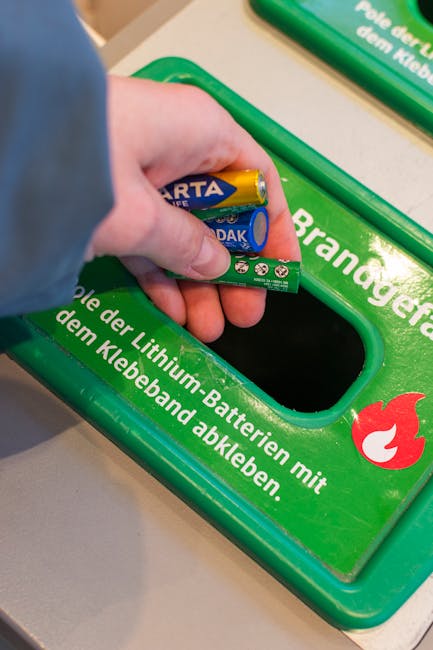
- Keep hazardous or awkward items separate. Paints, chemicals, damaged batteries, and some electricals should not be mixed casually with ordinary rubbish.
- Plan the removal route. Decide whether you need a single collection, a staged clearance, or a mix of donation and recycling.
- Label piles clearly. A bit of tape or a marker pen saves arguments later. Trust me on that one.
- Confirm access details. Check stairs, parking, narrow hallways, or any awkward turn that could slow the job down.
- Move donations first if possible. Once good items leave the property, the rest becomes easier to judge.
- Finish with a final sweep. Small loose items, packaging, and corner clutter often get missed the first time around.
A realistic example: if you are clearing a spare room in Brent that has become a catch-all for old furniture, books, and seasonal decorations, start by pulling out obvious donation items, then break down recyclables, then assess the remainder. You will usually reduce the volume of waste far more than you expect. The room looks different fast. Very fast.
Expert Tips for Better Results
There are a few habits that consistently improve eco-friendly disposal outcomes. Nothing flashy. Just sensible moves that save hassle.
- Sort before you move heavy items: It is easier to decide what stays when the room is still organised.
- Keep donation items spotless: Wipe surfaces, empty drawers, and remove loose crumbs or stains where practical.
- Strip down flat-pack furniture: Breaking items into manageable pieces often helps with recycling and loading.
- Use boxes for small reusable goods: Loose odds and ends are easy to lose, and somehow always end up under the sofa.
- Photograph valuable items: If you are donating or reselling, quick photos help you identify what is worth keeping or passing on.
- Separate metals where you can: Metal often has a clear recycling route and is easier to handle when kept apart.
- Plan around access times: In residential streets, a calm weekday slot is often easier than a crowded weekend window.
One small but useful tip: keep a "maybe" pile. Not forever, just during the first pass. Some items are not obvious at first glance. A chair with a loose screw may be repairable. A shelf that looks tired may still be useful. Give yourself ten minutes, then decide. That little pause can prevent waste.
If you are dealing with a larger property or a mixed clearance, it can help to combine disposal planning with broader moving support such as furniture pick-up or even a more general man and van arrangement where appropriate. The best choice depends on volume, access, and how much sorting you can do in advance.
Common Mistakes to Avoid
Eco-friendly disposal goes wrong most often because people rush. Not because they do not care. Usually because they are busy, tired, or trying to do a room in one go after work. Fair enough, but a few common mistakes can make the process messier than it needs to be.
- Mixing everything together: Once donation items, recyclables, and waste are blended, the better routes become harder to use.
- Donating damaged goods: If something is broken, stained, unsafe, or incomplete, it may create more work for the recipient than it saves.
- Ignoring electrical items: Cables, batteries, and electronics often need special attention. They are not ordinary rubbish.
- Leaving sorting until collection day: That almost always leads to delay and a few "oh no, that one stays" moments.
- Assuming all recycling is the same: Different materials and item types need different routes. Cardboard is not a sofa, obviously, but people do sometimes try to treat them the same.
- Forgetting access issues: Narrow stairs, parking limits, and shared entrances can change the whole plan.
- Skipping a final check: Small items behind cupboards or under beds are easy to miss.
One of the most common real-world problems is the halfway clear-out. The room looks almost empty, then suddenly there are three bags of mixed bits, a broken lamp, and a mystery cable that nobody claims. Slow down at that stage. It is where many good intentions go sideways.
Tools, Resources and Recommendations
You do not need fancy kit to dispose of things well, but a few basic tools make the process calmer and safer.
- Strong bin bags or reusable sacks: Useful for soft items, mixed loose waste, and small lightweight goods.
- Boxes or crates: Ideal for books, kitchenware, paperwork, and donated household items.
- Marker pen and tape: Simple labelling saves time and reduces confusion.
- Gloves: Handy for dusty lofts, dusty garages, and those mysterious corners behind old furniture.
- Basic tools: A screwdriver or hex key can help dismantle furniture before recycling or collection.
- Cleaning cloths: A quick wipe can turn an almost-good item into a proper donation candidate.
From a planning perspective, it helps to think in terms of disposal categories rather than items alone. For example, if you are clearing a whole room, the process may involve donation-ready furniture, recyclable cardboard packaging, and a final waste pile of broken or unusable items. That layered approach often works better than trying to solve everything one object at a time.
If you are also planning a move, there are some useful supporting pages on the site that can help with the practical side of getting things out efficiently, including packing and unpacking services, home moves, and the broader decluttering steps before moving guidance.
Law, Compliance, Standards, or Best Practice
When you are disposing of items in Brent, it is wise to follow accepted UK waste handling practice and local guidance rather than improvising. That does not mean you need to memorise legislation. It means being careful about who handles your waste, what happens to it, and whether anything should be separated because of its material or condition.
A few broad best-practice principles are worth keeping in mind:
- Do not fly-tip: Leaving waste in unsuitable places creates enforcement risks and harms the local environment.
- Use responsible collectors: Make sure items are handled by people or services that can properly manage the load.
- Separate hazardous or specialist items: Some items need extra care and should not be mixed with regular household waste.
- Keep records if you are a business: For commercial clear-outs, basic traceability and due diligence matter.
- Check property rules: Flats, managed estates, and commercial buildings may have their own disposal or access requirements.
Brent residents also benefit from being mindful of local enforcement around badly handled waste. There is a clear difference between a tidy, planned clearance and leaving things out with the hope that someone else will sort it. That is not a plan, really. It is a problem waiting to happen.
For readers who want to understand more about the risks of careless disposal, the site's guide to Brent council fines for fly-tipping is a useful companion piece. And if your project involves moving items rather than simply removing them, the overview of licensed removers in Brent explains why proper handling matters.
Options, Methods, or Comparison Table
Choosing the right route is easier when you compare the options side by side. The "best" method depends on condition, urgency, volume, and how much effort you want to invest in sorting.
| Route | Best for | What you need to check | Main advantage |
|---|---|---|---|
| Donation | Clean, usable furniture, homeware, books, textiles | Condition, cleanliness, completeness | Extends the life of the item and supports others |
| Recycling | Cardboard, metals, some plastics, dismantled items, electricals | Material type, contamination, separation | Reduces landfill and recovers materials |
| Reuse / resale | Items with clear second-hand value | Demand, transport, timing | Can save money and keep quality items in use |
| General disposal | Damaged, contaminated, or non-recoverable items | Whether any part can still be diverted first | Handles items that cannot be reused safely |
A practical way to use this table is to start at the top and work down. If an item can be donated, that is usually the best route. If not, check recycling. If not, see whether reuse or resale is realistic. Only then should you treat it as general waste. That sequence is simple, but it saves a surprising amount of material from being thrown away too early.
Case Study or Real-World Example
Here is a realistic Brent scenario. A family in a two-bedroom flat is preparing for a move and needs to clear a spare room. The room contains a sofa bed with a few scuffs, a sturdy bookcase, three bags of old clothes, several cardboard boxes, a broken desk lamp, and a couple of small electrical items.
They begin by sorting into three groups: donation, recycling, and disposal. The bookcase and sofa bed are checked for structural condition. The clothes are bagged separately after a quick sort for anything wearable. Cardboard is flattened. The lamp and electronics are set aside, not mixed with general waste. A final sweep picks up loose screws, old manuals, and packaging that would otherwise be left behind.
What changed? The load became simpler and cleaner. More of the room's contents were given a second life, the recyclable material was easier to handle, and the remaining waste pile was smaller than expected. The family did not need a dramatic overhaul. They just needed a proper order of operations. That is often the whole game.
In our experience, people are often surprised by how much can be diverted away from waste once they take ten minutes to sort properly. Not everything can be saved. But more usually can than people think.
Practical Checklist
Use this checklist before you book anything or start moving items out of the property:
- Have I separated reusable items from damaged ones?
- Are my donation items clean, safe, and complete?
- Have I flattened cardboard and grouped recyclable materials?
- Have I identified any electricals, batteries, or awkward items that need special handling?
- Do I know which items are too worn or contaminated to donate?
- Have I checked access, stairs, parking, and loading space?
- Do I need help with lifting, removal, or transport?
- Have I cleared a final path for the collection or loading process?
- Have I taken one last look in cupboards, behind doors, and under beds?
- Have I chosen the most eco-friendly route available for each item type?
One more thing: if you are unsure about an item, pause and assess it before it goes out the door. That five-second pause can save a perfectly good item from being lost to the wrong pile.
Conclusion
Eco-Friendly Disposal in Brent: Recycling & Donation Routes is really about thoughtful sorting, not perfection. If you can identify what is reusable, what can be recycled, and what truly needs disposal, you are already ahead of the curve. You reduce waste, avoid avoidable mistakes, and make the whole process less stressful for yourself and everyone around you.
The best results usually come from simple habits: sort early, keep donation items clean, separate recyclables, and do one final sweep before anything leaves the property. It is practical, it is responsible, and honestly, it just feels better to finish a clearance knowing you did it properly.
Get a free quote today and see how much you can save.
And if the job feels bigger than you first thought, that is perfectly normal. Start with one room, one box, one decision at a time. Small steps add up, and a tidy, well-handled clear-out has a quiet kind of relief to it.
Frequently Asked Questions
What counts as eco-friendly disposal in Brent?
Eco-friendly disposal means choosing the best available route for each item: donation for usable goods, recycling for recoverable materials, and responsible disposal for items that cannot be reused safely.
Can I donate furniture that has minor wear?
Usually yes, if the furniture is still safe, structurally sound, and clean enough for someone else to use. Minor cosmetic wear is often fine, but broken frames or serious damage are not ideal for donation.
What items are usually better recycled than donated?
Items that are damaged, dismantled, or made mostly from recyclable materials rather than usable condition are often better suited to recycling. Flattened cardboard, scrap metal, and some broken household goods can fall into this category.
How do I know if something should not go in general waste?
If it is electrical, contains batteries, has hazardous residue, or is made of a recoverable material that needs separate handling, it may need a different route. When in doubt, separate it and assess it carefully.
Is it worth sorting items before a collection?
Yes, absolutely. Sorting ahead of time makes the process faster, can improve reuse and recycling outcomes, and reduces the chance of good items being thrown away by mistake.
What is the difference between reuse and donation?
Reuse is the broader idea of passing an item on for a second life. Donation is one form of reuse, usually where the item is given to a charity, community group, or similar recipient.
Do I need to clean items before donating them?
It is strongly recommended. Clean items are more likely to be accepted, and they are much more useful to the next person. A quick wipe-down can make a big difference.
What should I do with broken electrical items?
Broken electrical items should be kept separate from ordinary rubbish. They often need specific handling because of wiring, batteries, or mixed materials inside the item.
Can eco-friendly disposal save money?
It can, especially if sorting reduces the amount of mixed waste or if usable items are passed on rather than discarded. The savings are not always direct, but cleaner sorting often makes the job more efficient.
What if I have bulky items I cannot move myself?
Bulky items like wardrobes, sofas, and beds often need proper handling, especially in flats or houses with stairs. In those cases, planning transport and lifting support ahead of time is much easier than trying to improvise on the day.
Are there any Brent-specific concerns I should think about?
Yes. Access, parking, building rules, and local waste enforcement can all affect how disposal should be handled. Brent's dense streets and mixed housing stock mean planning matters more than people sometimes expect.
What is the safest first step if I have a lot to clear?
Start by identifying the best items first: those that can be donated or reused. Then separate recyclables, and only after that deal with the final waste stream. That order keeps the process manageable and reduces unnecessary disposal.